
Men typically need 2 to 5 percent, and women need 10 to 13 percent. These ranges reflect minimum levels required to support key body functions. Plants rely on starch (their version of glycogen) for shorter-term energy needs, storing it in roots, tubers, and stems. But when it comes to long-term survival, many plants turn to lipids as well. Seeds are packed with oils precisely because fat’s high energy density gives seedlings the best possible start with the least weight.
Body Fat: Understanding Types of Body Fat
It plays a significant role in overall health and as its name implies, it is essential for survival. Reproduction and fertility Normal essential fat values are pegged at 3 percent and 8 to 12 percent for men and women, respectively. The higher fat ranges in women account for female-specific fat needs due to reproductive functions. It has been recently recognized that humans, even in adulthood, possess islands of brown adipose tissue, mainly in the supraclavicular/dorsal cervical area [14,15].
In terms of gaining or losing weight, the total number of calories you take in versus the calories that you burn every day is what matters, rather than whether those calories are from fat, carbs, or protein. Some types of fat can have a negative effect on your health and contribute to disease. Standard cortisol testing captures a single point in time, but symptoms can result from abnormal cortisol rhythms even when total levels appear normal. For example, cortisol that stays elevated at night disrupts sleep and metabolism even if morning levels are within range.
Visceral Fat
It also breaks down muscle tissue, which lowers metabolic rate. Even with controlled calorie intake, high cortisol shifts body composition toward more fat and less muscle. Extremely low essential fat levels (below 2% for men and 10% for women) may impact energy, hormone balance, temperature regulation, and recovery. Essential fat supports functions the body depends on every day. Understanding how it differs from storage fat offers clearer insight into body composition (the balance of fat, muscle, and other tissues) and how it influences wellness and performance.

Whether SAT of female mice has more potent effects has yet to be reported, and we are currently undertaking these studies. White fat is what most people think of when they hear “body fat.” It serves as the primary energy storage system in our bodies and is essential for hormone regulation. Therefore, moderation is key; having some white fat is necessary, but too much can be detrimental. It’s is found in the nerve tissues, bone marrow, brain, and organs (all membranes). As essential fats, we cannot lose this fat without compromising physiological function.
Essential vs Storage Fat: What You Need to Know
Essential fat is estimated as part of total body fat using tools like DEXA scans, BIA, or skinfold calipers. These methods measure overall fat, and essential fat is calculated from established ranges. Meanwhile, nonessential or storage fat is fat that accumulates as energy reserves. Although there’s no official standard for acceptable body fat values, the acceptable ranges are percent for males and percent for women. However, the American College of Sports Medicine (ACSM) has set a range of percent in men and percent in as they have an average percent body fat of 15% for men and 23% for women. Consume Healthy Fats Incorporating nutrient-dense healthy fats into the diet can help maintain essential fat levels.
Understanding your cortisol status requires looking at the full metabolic and hormonal context. Superpower’s 100+ biomarker panel measures cortisol alongside markers that reveal how it’s affecting your body, from triglycerides and HDL cholesterol to testosterone and DHEA-S. This comprehensive view shows whether high cortisol is driving insulin resistance, suppressing sex hormones, or increasing cardiovascular risk. Glucose and hemoglobin A1c reveal whether high cortisol is affecting blood sugar regulation.
The Untold Story Behind Bridget Fonda’s Wellness & Weight-Loss Journey
Now that you are equipped with this new level of understanding, here is my concluding advice…focus on the health not only the numbers. While we live in health culture where weighing less and having less body fat is preferred, stay informed – and stay healthy. Know what your numbers really mean and live to your healthiest potential. A common assumption is that a high-fat reviews unimeal diet is what causes a person to have too much body fat. While fat is higher in calories than carbohydrates or protein, people need a certain amount of dietary fat for good health.
Sex differences in adipose tissue metabolic function
BIA used two or more conductors that are attached to your body. Hence, the resistance between any two electrodes gives you the amount of fat between the pair. Essential fats are needed for normal physiological processes in your body, just as mentioned above. In particular, skinfold calipers are available at a reasonable price but they measure less accurately. You can get a clear image from a DEXA scan which is more expensive.
- A thorough guide to recognizing the signs of elevated cortisol in women — from weight changes to mood shifts — and when to consider testing.
- “There are also nerves that go from your brain to your fat and say, ‘Hey, we don’t have enough energy here.
- A certain amount of subcutaneous fat is normal and healthy, but too much can lead to imbalanced hormone levels and sensitivity.
- Sex differences in the fat phenotypes are probably determined by a complex interplay of genetic, epigenetic, and hormonal factors.
- Cortisol competes with other hormones for production resources.
- White fat is the type of fat that most people immediately think of.
What Does Essential Fat Mean In The Body?
Many athletes and fitness experts strive to get rid of extra fat without losing necessary essential fat. Although both are types of fat, essential and storage fat play very different roles in your body. While essential fat keeps you alive, storage body fat is what most people think of when they want to “lose fat”.
Beginner Fat Loss Workout Plan: Guide to Getting Lean and Fit
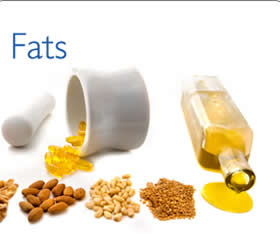
Sources such as avocados, nuts, seeds, olive oil, fatty fish (like salmon and mackerel), and coconut oil provide the necessary lipids to support bodily functions. In rare cases, individuals may need to increase their essential body fat. This may be necessary for those who have an extremely low body fat percentage due to excessive dieting, rigorous athletic training, or medical conditions such as malabsorption disorders. It is found in vital organs, bone marrow, nerve tissues, and cell membranes.
Health Implications of Essential Fat Levels
The focus should not be on eliminating fat, but on maintaining levels that support overall function. Storing energy as fat evolved as a strategy for surviving unpredictable environments. Early human populations faced repeated energy stress from seasonality, climate shifts, droughts, and extreme events like volcanic eruptions. Adipose tissue buffered against these fluctuations, not by preventing starvation outright, but by smoothing over the constant ups and downs in food availability that characterized most of human history. When deprived of fresh carbon from photosynthesis, the trees initially burn through their carbohydrate reserves. But as starvation extends, they shift to burning lipids, a metabolic switch researchers can detect because fat breakdown requires more oxygen relative to the carbon dioxide it produces.
Essential Fat
Your weight has shifted to your midsection, your sleep is broken, and your anxiety feels different than it used to. These symptoms get dismissed as stress or aging, but in women, they often point to chronically elevated cortisol, and the pattern looks different than it does in men. Essential fat supports reproductive hormone production and helps regulate the menstrual cycle in women. Fat stored in areas like the hips and breasts contributes to hormonal signaling related to fertility and reproductive function. Essential fat provides natural cushioning around internal organs. It helps absorb physical impact, supports structural positioning, and contributes to the stability of organs such as the heart, kidneys, and liver.
Chronic hypercortisolism from months or years of stress may take several months of consistent stress management, improved sleep, and lifestyle changes to fully resolve. The cortisol test measures the hormone directly, but interpretation requires context. A single elevated reading doesn’t confirm chronic hypercortisolism because cortisol rises normally in response to acute stress, illness, or even the stress of having blood drawn.
Both men and women have essential fat, though its distribution differs between genders to support various physiological needs. This makes the body use the stored fats to provide the energy needed for your daily activities. Later, you can incorporate strength training into your sessions, which increases your metabolism, muscle mass, and prevents weight gain. Hence, they are a “good” type of fat, which means that you do not need to target them during weight loss.